
In the rapidly evolving world of cryptocurrency, speed, scalability, and security are the pillars of success. For the vibrant and tech-savvy crypto community in Vietnam—from the bustling streets of Ho Chi Minh City to the innovative tech hubs of Hanoi—finding a blockchain that can handle mainstream demand is critical. While giants like Bitcoin and Ethereum paved the way, their limitations in transaction speed and cost have opened the door for next-generation platforms.
Enter Zilliqa, a pioneering high-throughput blockchain designed to solve the scalability problem once and for all. Zilliqa isn't just another name in the crowded crypto space; it was the first public blockchain to successfully implement sharding, a technology that allows it to process thousands of transactions per second.
This comprehensive guide is designed for every type of Vietnamese crypto user. Whether you are a newcomer making your first investment, a seasoned trader managing a complex portfolio on HIBT, or a developer looking for a robust platform to build on, understanding Zilliqa is essential. We will explore its groundbreaking technology, real-world applications, and why it holds significant potential for the Vietnamese market.
What is Zilliqa? A Blockchain Built for Speed
Zilliqa was founded in 2017 by a team of academics and computer scientists from the National University of Singapore. From its inception, the project had a clear and ambitious goal: to solve the blockchain trilemma. This trilemma posits that it is incredibly difficult for a blockchain to be simultaneously decentralized, secure, and scalable. Early blockchains like Bitcoin and Ethereum excel at decentralization and security but struggle with scalability, leading to network congestion and high transaction fees during peak usage.
Zilliqa's founders proposed a revolutionary solution: sharding. This technology was designed to create a high-throughput blockchain capable of processing a massive volume of transactions without compromising security or decentralization. The vision was to build a platform that could support enterprise-level applications, from complex financial services to high-traffic games and payment systems.
Think of it like upgrading Vietnam's National Route 1. A single-lane highway can only handle so much traffic before it grinds to a halt. Zilliqa's approach was to build a multi-lane superhighway, where traffic can flow freely and efficiently, regardless of how many cars are on the road. This focus on high throughput makes Zilliqa a compelling platform for a future where blockchain is integrated into our daily lives.
The Core Technology: How Sharding Unlocks High Throughput
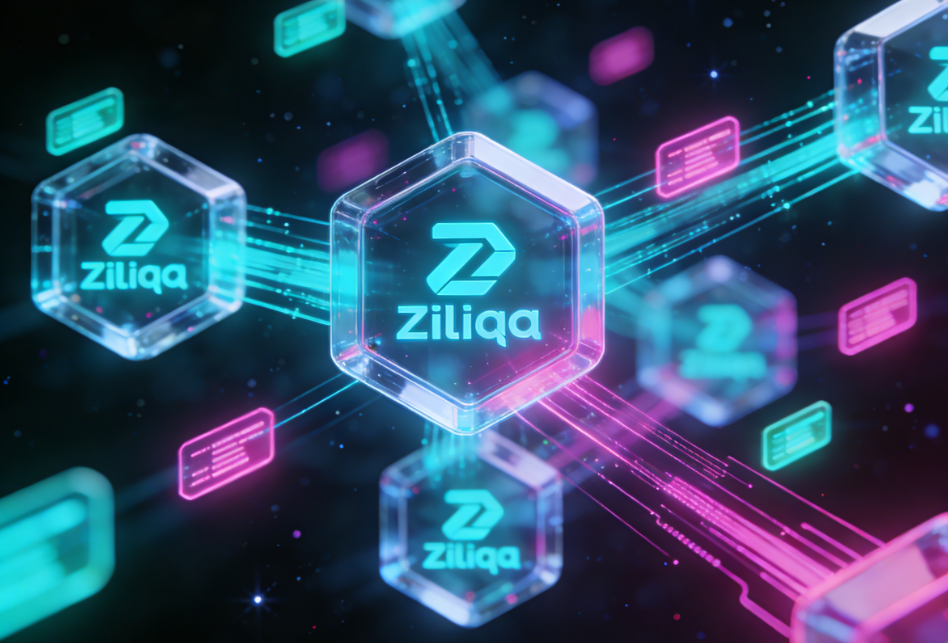
Zilliqa's claim to fame is its successful implementation of sharding on a public blockchain. While the term may sound technical, the concept is intuitive and powerful. Sharding is a "divide and conquer" strategy that partitions a blockchain network into smaller, more manageable groups of nodes called "shards."
How Does Sharding Work?
- Network Sharding: The Zilliqa network is divided into multiple shards. Each shard consists of a group of nodes responsible for processing a fraction of the network's transactions.
- Parallel Processing: Instead of every node processing every single transaction (as is the case with many older blockchains), each shard processes its assigned transactions in parallel. This is the key to Zilliqa's high throughput. As more nodes join the network, Zilliqa can create more shards, linearly increasing its processing capacity.
- Consensus and Finality: Zilliqa uses a hybrid consensus mechanism. Within each shard, it employs a highly efficient algorithm called practical Byzantine Fault Tolerance (pBFT). pBFT allows for rapid transaction validation. Once the shards have processed their transactions, a final "Directory Service Committee" combines the results and adds them to the main blockchain, ensuring finality and security for the entire network.
The result is a blockchain architecture that can theoretically scale to meet any demand. While Bitcoin processes around 7 transactions per second (TPS) and Ethereum handles about 15-30 TPS on its mainnet, Zilliqa has demonstrated the ability to process thousands of TPS. This makes it suitable for applications that require high performance and low latency.
The ZIL Token: Fueling the Ecosystem
The native utility token of the Zilliqa network is ZIL. It serves several critical functions that are essential for the operation and security of the ecosystem:
- Paying Transaction Fees: Just like you pay tolls to use a highway, users must use ZIL to pay for "gas" fees when sending transactions or interacting with smart contracts on the network.
- Staking and Network Security: ZIL holders can participate in securing the network by "staking" their tokens. Staking involves delegating ZIL to node operators, who validate transactions. In return for their contribution, stakers receive ZIL rewards, creating a passive income stream.
- Ecosystem Governance: The future of Zilliqa is shaped by its community. By staking ZIL, holders can earn gZIL, the governance token, which grants them voting rights on network upgrades and improvement proposals.
For investors using platforms like HIBT, ZIL is not just a speculative asset; it is a utility token that grants access, influence, and earning potential within a robust and growing ecosystem.
Zilliqa's Evolution: From Zilliqa 1.0 to EVM Compatibility
The world of blockchain is not static. To remain competitive, Zilliqa has undergone significant upgrades. The roadmap towards Zilliqa 2.0 includes several key enhancements designed to attract more developers and users.
One of the most important developments is the integration of Ethereum Virtual Machine (EVM) compatibility. The EVM is the software environment where smart contracts on Ethereum and other compatible chains run. By becoming EVM-compatible, Zilliqa opens its doors to the largest community of blockchain developers in the world.
This means:
- Easy Migration: Developers can easily port their existing decentralized applications (dApps) from Ethereum to Zilliqa to take advantage of its high throughput and lower fees.
- Familiar Tools: Developers can use popular Ethereum development tools like Truffle, Hardhat, and MetaMask to build on Zilliqa, significantly lowering the learning curve.
- Interoperability: EVM compatibility paves the way for seamless asset and data transfers between Zilliqa and the vast Ethereum ecosystem.
This strategic move positions Zilliqa as a highly scalable alternative for dApps that are outgrowing Ethereum's capacity.
Real-World Applications: Case Studies of Zilliqa in Action
A blockchain's true value is demonstrated by its real-world use cases. Zilliqa has fostered a diverse ecosystem of projects that leverage its high-throughput capabilities. Let's explore a few examples.
Case Study 1: The Creator Economy and NFTs
The NFT market demands a blockchain that can handle high volumes of minting and trading without exorbitant fees. Zilliqa has become a popular platform for artists, brands, and creators looking to engage with their communities through digital collectibles.
- Example: Ducati Motorcycles: The iconic Italian motorcycle brand, Ducati, partnered with Zilliqa to launch a series of NFTs for its fan community. This initiative allowed fans to own digital memorabilia and gain exclusive access to brand experiences. Using Zilliqa ensured that fans could mint and trade these NFTs quickly and affordably, creating a seamless user experience.
- Impact: By providing a low-cost environment, Zilliqa empowers artists and creators in markets like Vietnam to monetize their work without the high entry barriers found on other chains. A digital artist in Ho Chi Minh City can mint an entire collection of NFTs for a fraction of the cost, making their art accessible to a global audience.
Case Study 2: High-Performance Blockchain Gaming (GameFi)
The GameFi sector, which blends gaming with decentralized finance, is a perfect fit for Zilliqa's architecture. Blockchain games often require thousands of on-chain actions per minute, from in-game purchases to character interactions. A slow or expensive blockchain would render such games unplayable.
- Example: Web3War: This first-person shooter game is built on Zilliqa's infrastructure. It offers skill-to-earn mechanics, where players are rewarded with tokens for their performance. To support fast-paced gameplay and real-time rewards, the game needed a blockchain that could process transactions instantly and at a very low cost. Zilliqa's high throughput ensures that the gaming experience is smooth and the in-game economy functions without lag.
- Impact: Vietnam is a global leader in GameFi adoption. Zilliqa provides a powerful platform for Vietnamese game developers to build the next generation of blockchain games. It allows them to create more complex, interactive, and rewarding experiences that can attract and retain a large player base, both locally and internationally.
Case Study 3: Enterprise and Financial Services
Zilliqa's security and scalability also make it an attractive platform for enterprise use cases, particularly in finance and advertising.
- Example: Aqilliz: This marketing technology company, a spin-off from Zilliqa, developed a suite of blockchain-based solutions for the digital advertising industry. Its platform addresses issues like ad fraud and reconciliation inefficiencies by providing a transparent and immutable ledger for campaign data. This allows brands and agencies to verify ad impressions and optimize their marketing spend.
- Impact: For enterprises, trust and performance are paramount. Zilliqa offers a secure environment to build mission-critical applications. For the Vietnamese market, this could translate into more transparent supply chain management systems, secure digital identity solutions, or efficient cross-border payment platforms.
Why Zilliqa is Relevant for the Vietnamese Market
Vietnam's cryptocurrency market is characterized by a young, mobile-first population with a strong interest in gaming, social media, and new investment opportunities. Zilliqa's features align perfectly with these trends.
1. A Gateway to Affordable DeFi and NFTs
For many Vietnamese investors, especially newcomers, high transaction fees are a major deterrent. Zilliqa's low-cost environment makes it possible to experiment with DeFi, trade NFTs, and participate in the digital economy without a large upfront investment. A student in Hanoi can buy their first NFT or provide a small amount of liquidity to a DeFi protocol without worrying about fees consuming their capital.
2. Powering the Next Wave of Vietnamese GameFi
As the birthplace of global hits like Axie Infinity, Vietnam has a proven track record in blockchain gaming. Zilliqa offers local developers a scalable and affordable platform to innovate and build even more ambitious games. This could lead to a boom in Zilliqa-based GameFi projects originating from Vietnam, creating new investment and employment opportunities. Investors looking for the next big trend in GameFi should keep a close eye on the Zilliqa ecosystem, with many promising tokens available on HIBT.
3. Staking and Passive Income Opportunities
The ability to earn passive income through staking is highly attractive to investors in any market. Zilliqa offers a straightforward and accessible staking process. Vietnamese users can stake their ZIL holdings to help secure the network and earn an annual percentage yield (APY) in return. This provides a way to grow their crypto assets without active trading.
4. Supporting a Creator-Driven Digital Economy
Vietnam has a vibrant community of digital artists, musicians, and content creators. Zilliqa provides the tools for these creators to tokenize their work, engage directly with their fans, and build independent careers. The low cost of minting NFTs on Zilliqa means that creativity is not limited by financial barriers, fostering a more inclusive and diverse creator economy.
How to Get Started with Zilliqa: A Guide for Investors
Participating in the Zilliqa ecosystem is straightforward. Here’s how you can position yourself to take advantage of the opportunities it offers.
- Acquire ZIL Tokens: The first step is to acquire ZIL. You can easily purchase ZIL on a trusted and reliable exchange like HIBT, which offers a seamless trading experience for Vietnamese users.
- Explore the Ecosystem: Once you have ZIL, you can start exploring the dApps built on the Zilliqa network. This includes decentralized exchanges (DEXs) like ZilSwap, NFT marketplaces, and gaming platforms.
- Consider Staking: To earn passive rewards, you can stake your ZIL tokens. This involves choosing a staking provider and delegating your tokens through a compatible wallet. Be sure to research different providers to compare their commission fees and uptime.
- Stay Informed: The Zilliqa ecosystem is constantly evolving. Follow official Zilliqa channels and news outlets to stay updated on new projects, partnerships, and technical upgrades.
Conclusion: Zilliqa's Role in Building a Scalable Future
Zilliqa stands as a testament to the power of innovation in solving fundamental blockchain challenges. By pioneering sharding technology, it has delivered a high-throughput platform that is secure, decentralized, and ready for mass adoption. Its ongoing evolution, including EVM compatibility, ensures that it remains a competitive and attractive environment for developers and users alike.
For the dynamic and forward-thinking crypto community in Vietnam, Zilliqa offers more than just another digital asset. It provides an accessible gateway to DeFi, a powerful engine for the GameFi revolution, and a platform for creators to thrive. Its focus on scalability and low costs addresses the key pain points that have hindered mainstream blockchain adoption.
The future of blockchain will be built on platforms that can handle the demands of a global digital economy. Zilliqa has laid the foundation. Now is the time to explore the opportunities it presents.
Take the next step in your crypto journey. Discover, trade, and manage ZIL and other promising digital assets on a platform built for you. Start exploring with HIBT today.
About the Author
Dr. Tran Van Quang
Blockchain Researcher & Lead Auditor
Dr. Tran Van Quang is a distinguished expert in distributed systems and blockchain security. He has authored 12 peer-reviewed papers on topics ranging from consensus algorithms to smart contract verification. As the lead auditor for the ABC Blockchain Security Initiative, he has played a pivotal role in securing several major DeFi and GameFi projects, protecting billions of dollars in user assets. Dr. Quang is passionate about promoting blockchain education and empowering investors in the Vietnamese community with reliable and actionable insights.